
Bunny Care
What does a pet bunny need to thrive?
Proper food specific to their purpose
Correct cage size
Exercise
Unlimited water
Timothy Hay or Orchard Grass (angoras need unlimited)
Enrichment toys
Monthly checkups (you can do it yourself or bring them to the vet)
Proper sanitation and disposal of waste
Love from their owner(s)
Whether your bunny is for fiber, breeding, pet, meat (I will not be talking about this as I refuse to be a part of it), ESA, or therapy pet, they need all of these things to be healthy.
Cage Space
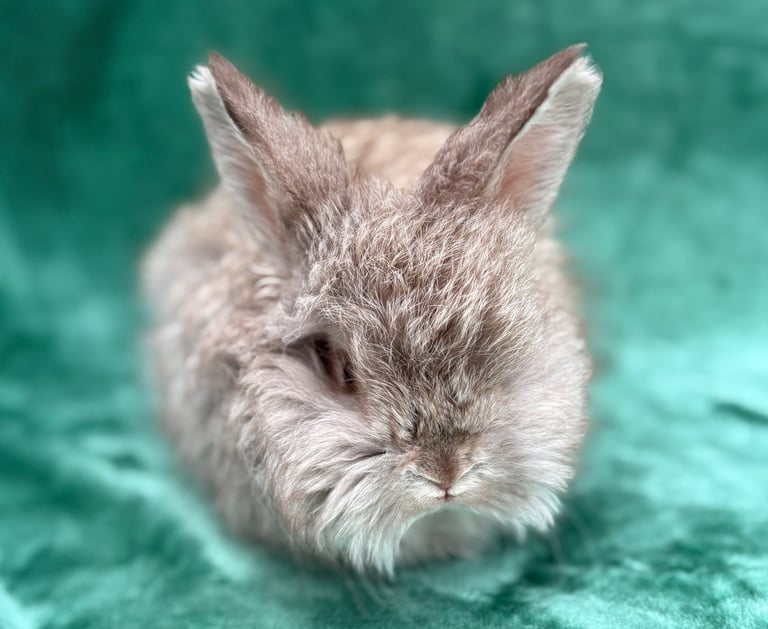
The typical rule of thumb for bunny cages is 0.5 square feet per pound of body weight for the dry bunny (not breeding/not lactating), and for lactating does it calls for 0.625 square feet per pound. I believe this is WAY too small. Sources suggesting this usually own meat breeds and don’t tend to care about the bunny’s health and wellbeing as much. I own English Angoras and the size cage for one EA is approximately 18” x 24”, as they usually weigh 5-6 pounds. This is for a dry rabbit. For lactating it says 24” x 24”. I will never use these guidelines. I currently keep my bunnies in 30” x 36” cages, lactating or dry. But as I always say, the more space the happier the bunny is. If you want your bunny to be extra happy, don't put them in a cage at all, litter train them and let them free range your house!


Nutrition
The best nutrition depends on the bunny’s purpose and breed. Wool breeds need more protein for their quickly growing wool. We feed our bunnies with the Show Hutch Deluxe 17 from Chewy and our bunnies love it. It has 17% protein, 3.5% fat, and 20% fiber, all important things in a bunny’s diet. Since I have English Angoras, the fiber and protein is extremely important in their diets as it helps their wool grow into the perfect fluff.
Don’t forget to check what nutrients the breed of bunny you have needs!

Exercise
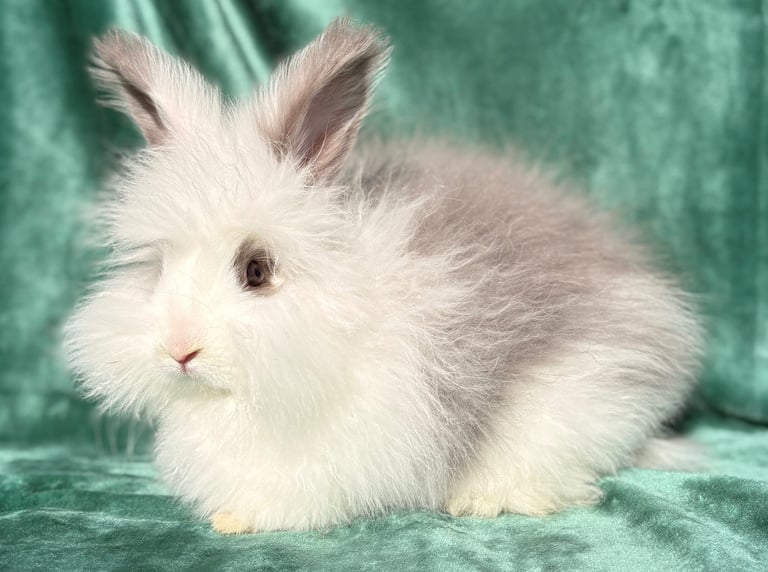
Exercise is very important for your bunny to live happily. They should get a few hours of daily exercise to keep them healthy. The best way to get them exercised is by buying a playpen for them to go in for a while. Other options are letting them roam your house (you can litter box train them), letting them roam your backyard (make sure it’s bunny proof!) and more.
Certain breeds need a more specific amount of space to run. However, if you give any size bunny enough room to run, binky, lay down and stand up, they should be OK, but don’t forget, the more space the better.
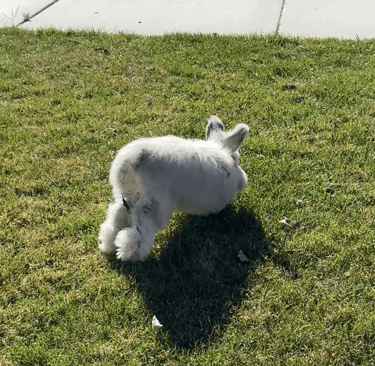
Binkies
What is a binky?
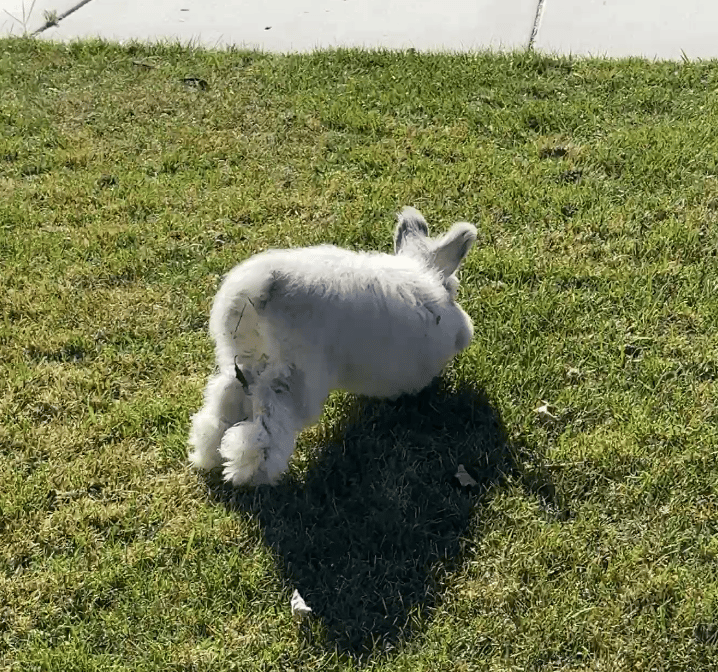
A binky is when a happy bunny jumps and twists in the air. This means they are very happy. Bunnies typically do this when they are in the playpen because they are happy to run. If your bunny doesn’t do binkies, it should just be a lazy bunny, older, bunny, or unhappy bunny. But keep in mind that new bunnies might not feel comfortable and then a home so they might not do Binkies yet.

Water
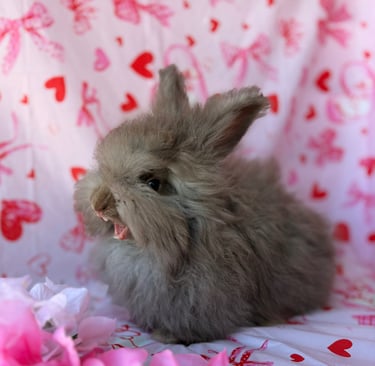
Let’s just hope we all know what this is. Water, yum, yum, drink up kids!
ALWAYS MAKE SURE YOUR BUNNY(S) HAVE WATER.
Timothy/Orchard Grass Hay
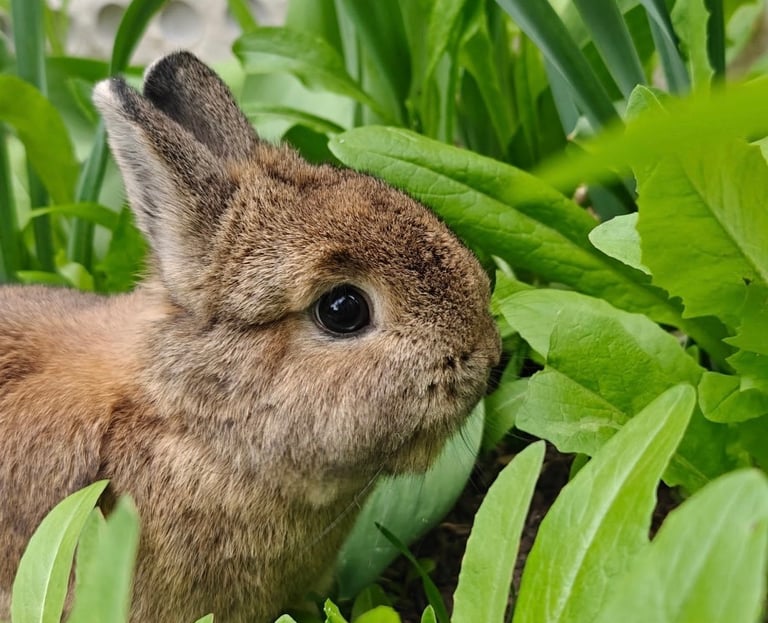
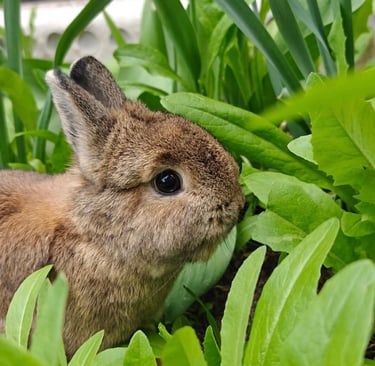
Most bunnies need unlimited hay to help their digestive tracks. Angoras need unlimited hay so that they don’t get wool block. Wool block is when a bunny licks themselves and they get a build up of fur in their stomachs. Bunnies cannot throw up so the hay helps to get the wool out of the belly.
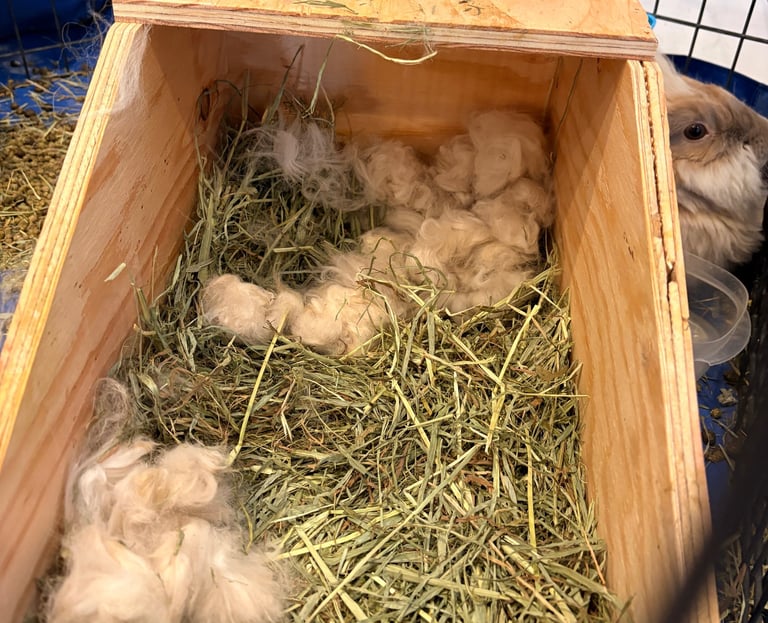
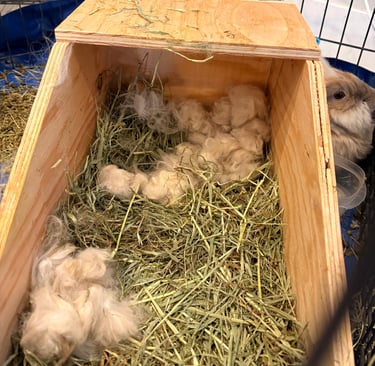
Hay can also be used for nesting material for when mama bunnies kindle. Personally, when I give my does a nesting box I fill it with Timothy hay. When the babies grow up, they can also start to nibble on the hay to help wean.
Timothy hay is the best kind for them, but sometimes people are allergic to timothy so they go with orchard. Remember; bunnies NEED hay to live a happy life. Always give them enough hay.
Enrichment toys
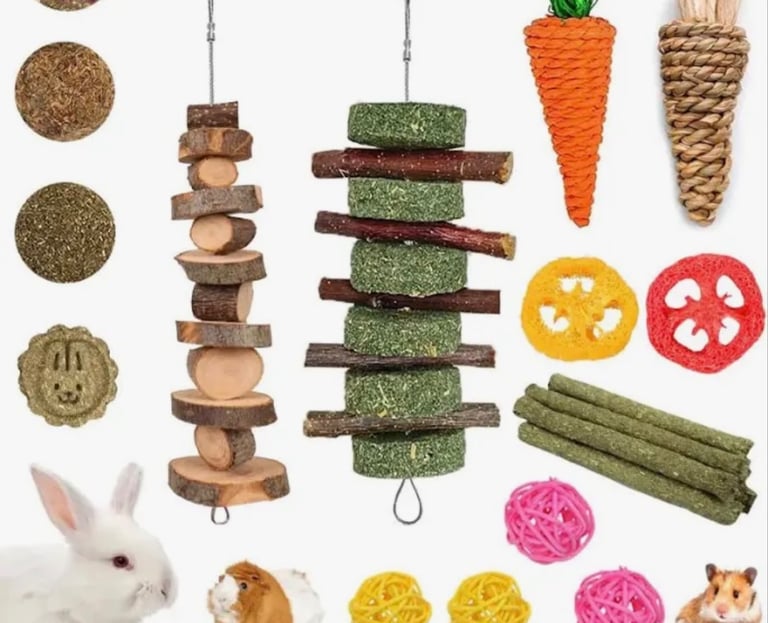
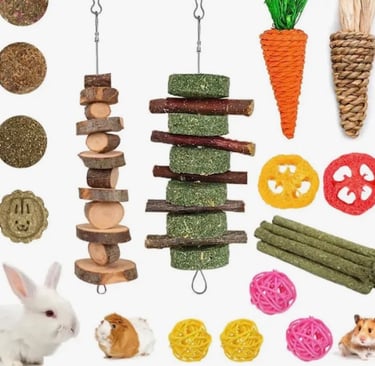
Bunnies need things to chew on or else they will get destructive, loud, angry, and more, all with the potential of getting hurt. Toys that are safe to give bunnies are wood chews (with bunny-safe wood), hay balls, stacking cups, cardboard, and lots more. However you have to be careful of some things.
For example, don’t give your bunny plastic; they will just eat it. You also might see salt licks that say “perfect for rabbits!”, when they are not. Salt licks are very bad for bunnies as it can make them dehydrated and give them way too much salt that is bad for their organs. But be aware, a lot of bunnies love salt licks. Don’t be fooled, they can’t have them. On the right are some toys that are good for bunnies. They can chew them as much as they want and not get in trouble.
Bunnies
Fluffy bundles of joy are waiting for you.
© 2026. All rights reserved.